
Helping Cats with Irritable Bowel Disease (IBD)
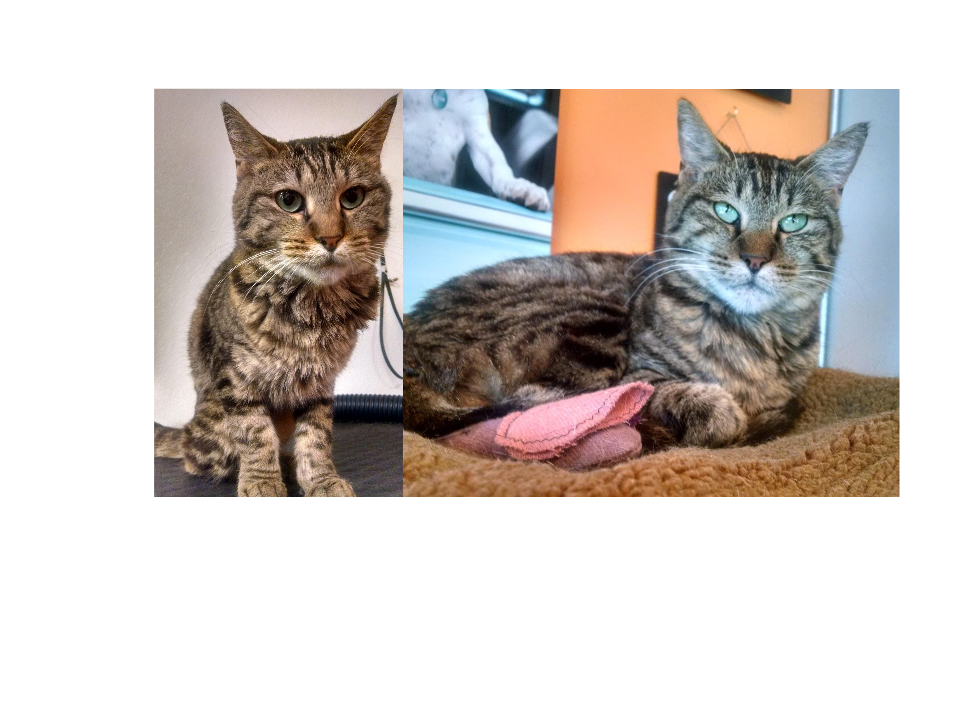
Dottie, our long-time foster cat, was born without a right hind paw, but that doesn’t slow her down a bit! Unfortunately, when she first came to us, we couldn’t say the same thing about her Irritable Bowel Disease (IBD), which caused severe vomiting, diarrhea, and general stomach discomfort that kept her from have having much fun.
The good news is that with a new diet, close oversight, and a little TLC, we’ve been to help Dottie make a full recovery and live a happy, healthy life. We want to take the opportunity to explain what irritable bowel disease is, how it affects cats like Dottie on a daily and long-term basis, and how you can help your cat with IBD or similar stomach issues.
IBD is a general term referring to a group of gastrointestinal disorders that are believed to be the result of intestinal inflammation. The source of the intestinal inflammation is attributed to one or more of the following factors: genetics, diet, and/or diminished intestinal microflora. Cats with IBD will typically exhibit chronic vomiting and/or diarrhea and be at increased risk for intestinal lymphoma.
Current research supports the idea that diet plays a large role in the overall health of both humans and animals. For decades cats have unfortunately been fed highly processed, species-inappropriate foods. Cats are obligate carnivores who have no known dietary requirement for any carbohydrates in their diet. The average kibble is well over 25% carbohydrates! (Please see previous post on carbs in pet food for more details). It is essential that cats with IBD, or displaying symptoms, be fed highly digestible proteins. The more processed a food is, the more chemically altered and less digestible it becomes. Feeding such highly processed, carb-heavy foods has the potential to greatly damage overall intestinal health, especially in cats prone to digestive disease.
Healthy gut flora (or the lack of) is linked to the severity of intestinal inflammation. If a cat’s natural gut microflora is depleted, it is unable to fully digest and absorb the necessary nutrients. This is why it is extremely important, especially after a round of antibiotics, to use a PreBiotic or ProBiotic to re-establish and maintain a healthy flora.
There are varying degrees of IBD, but in all cats with IBD, no matter the severity of their symptoms, it is absolutely essential that they are fed a diet that is highly digestible and unprocessed. The house cats of today are no different from their predecessors. They are built to process and thrive off of their natural prey source of rodents, rabbits, and birds – a raw food diet.
The severity of Dottie’s IBD appears to be minimal. Upon her arrival at The Happy Beast, we fed her an exclusive raw food diet and her stools immediately solidified. It should be noted that she does become loose if she gets even the highest quality canned food. On a day-to-day basis, Dottie is very low maintenance, she eats her raw food, plays around with her catnip toys and loves scratching on her natural tree posts. Long term, we feel that because we got her on a raw food diet early on in her prognosis, she will live a long and healthy life.
Do you have a cat with IBD? Send us an email or stop by the store in Lafayette and ask how we can help!